Chilas · Gilgit-Baltistan
Ten thousand carvings on the Indus
Rocks along the KKH near Chilas carry tens of thousands of carvings and inscriptions: stupas, ibex, hunters and scripts left by traders and pilgrims over two thousand years.
Lakes made by landslides, two-thousand-year-old graffiti on the Indus and polo on the roof of the world: places with a story like no other.
Rocks along the KKH near Chilas carry tens of thousands of carvings and inscriptions: stupas, ibex, hunters and scripts left by traders and pilgrims over two thousand years.
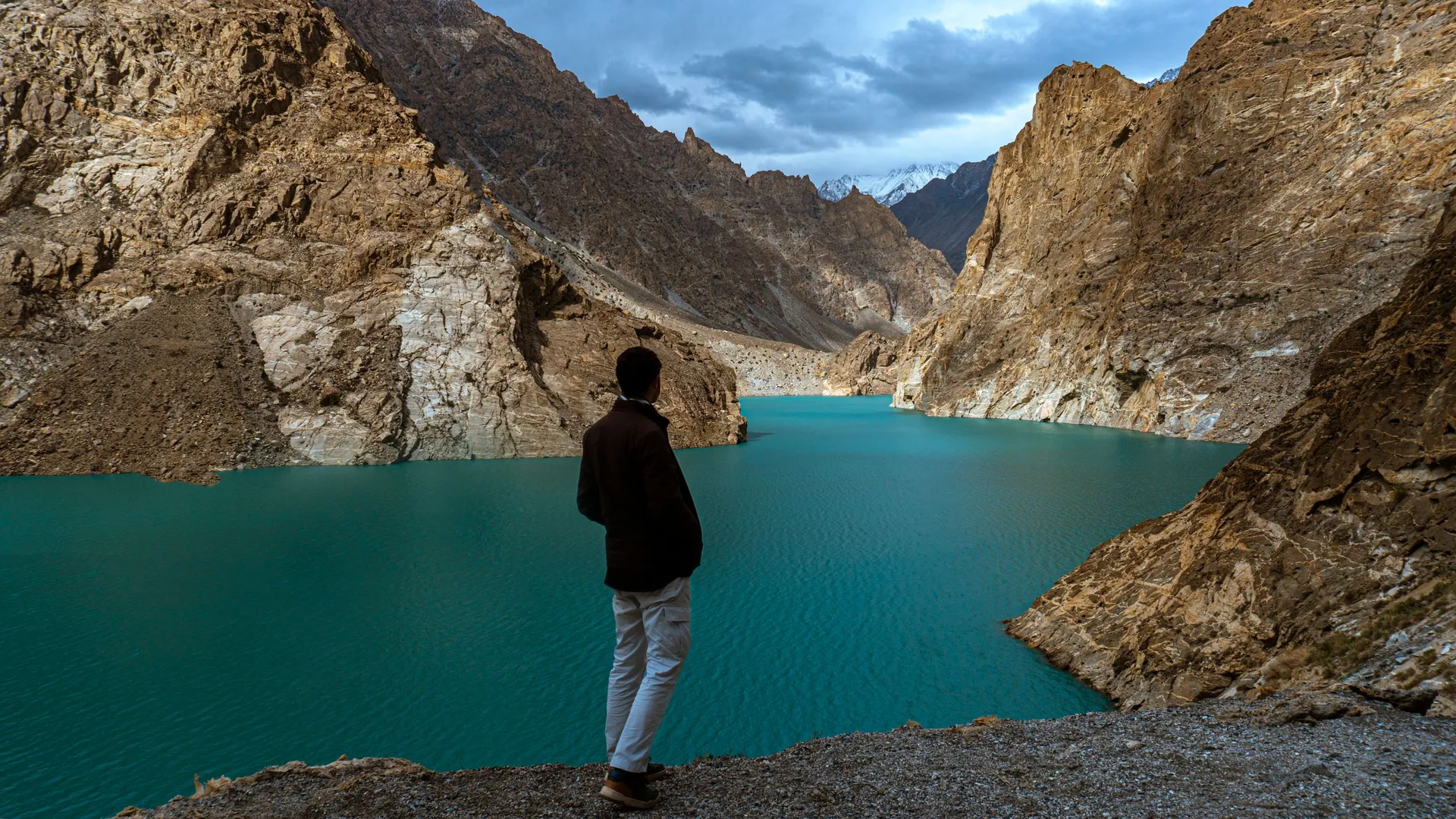
In 2010 a mountainside collapsed and dammed the Hunza River. The turquoise lake that formed drowned villages and part of the highway, and is now one of Pakistan's most photographed views.
Hussaini's suspension bridge of planks and cables hangs over the Hunza River with gaps between the boards. Villagers have rebuilt it themselves several times.
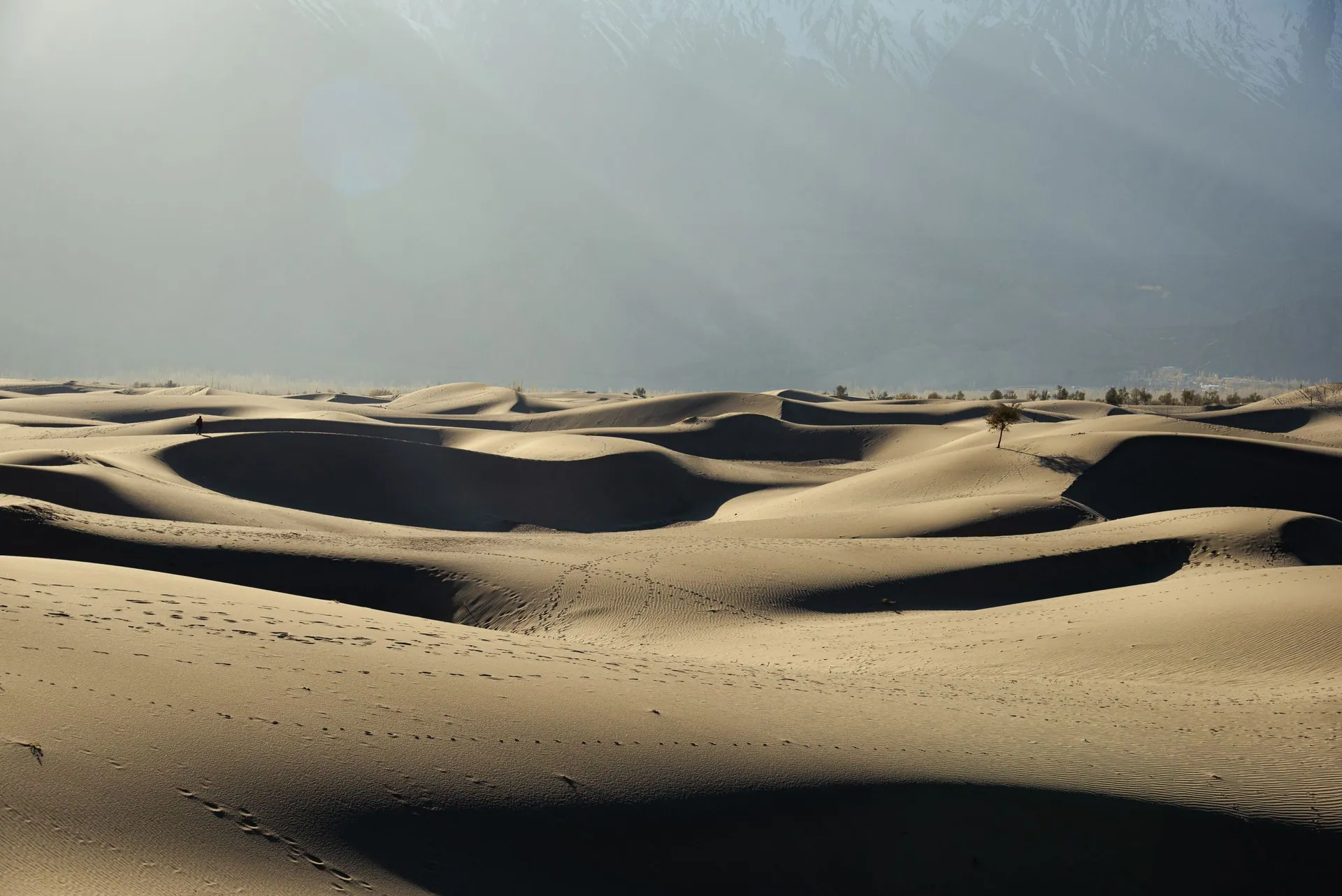
White sand dunes sit beneath snow peaks near Skardu, one of the highest cold deserts on earth, where jeeps race in summer.
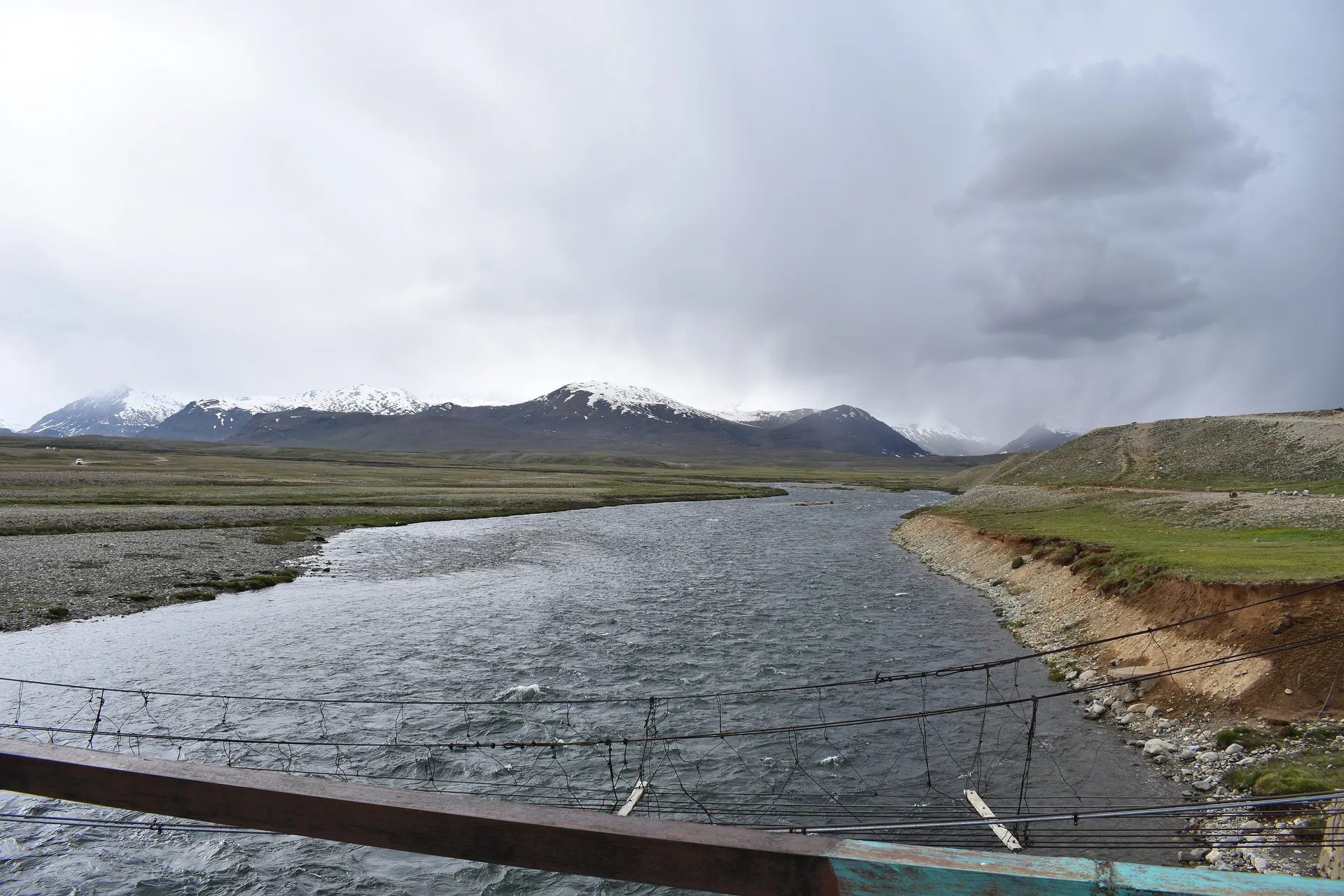
Local legend says giants lived on this vast plateau. Today it is home to the rare Himalayan brown bear, protected since 1993.
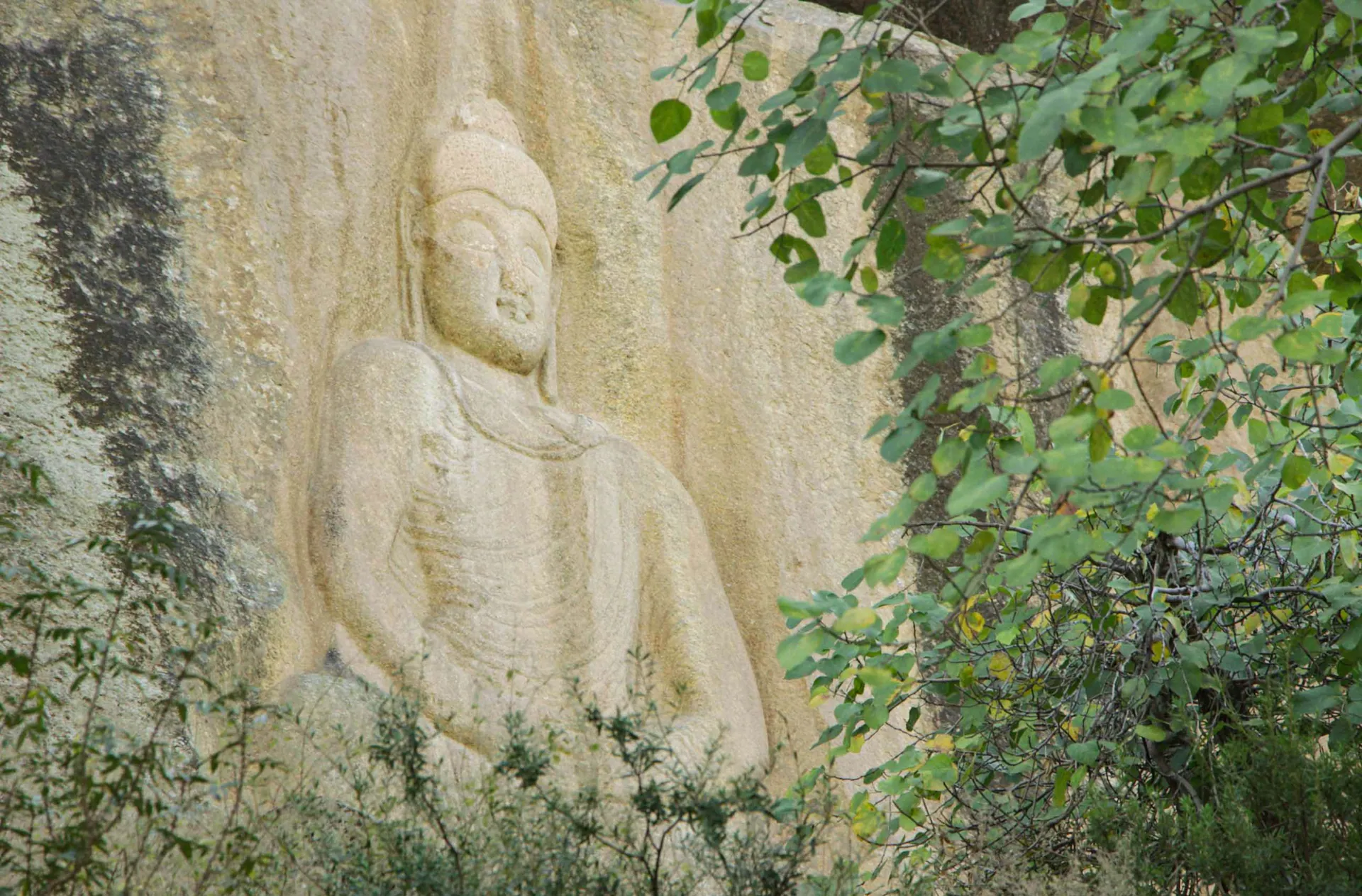
Militants blasted the face of this 7th-century rock Buddha in 2007. Italian conservators restored it in 2016 using 3D scans and careful stonework.
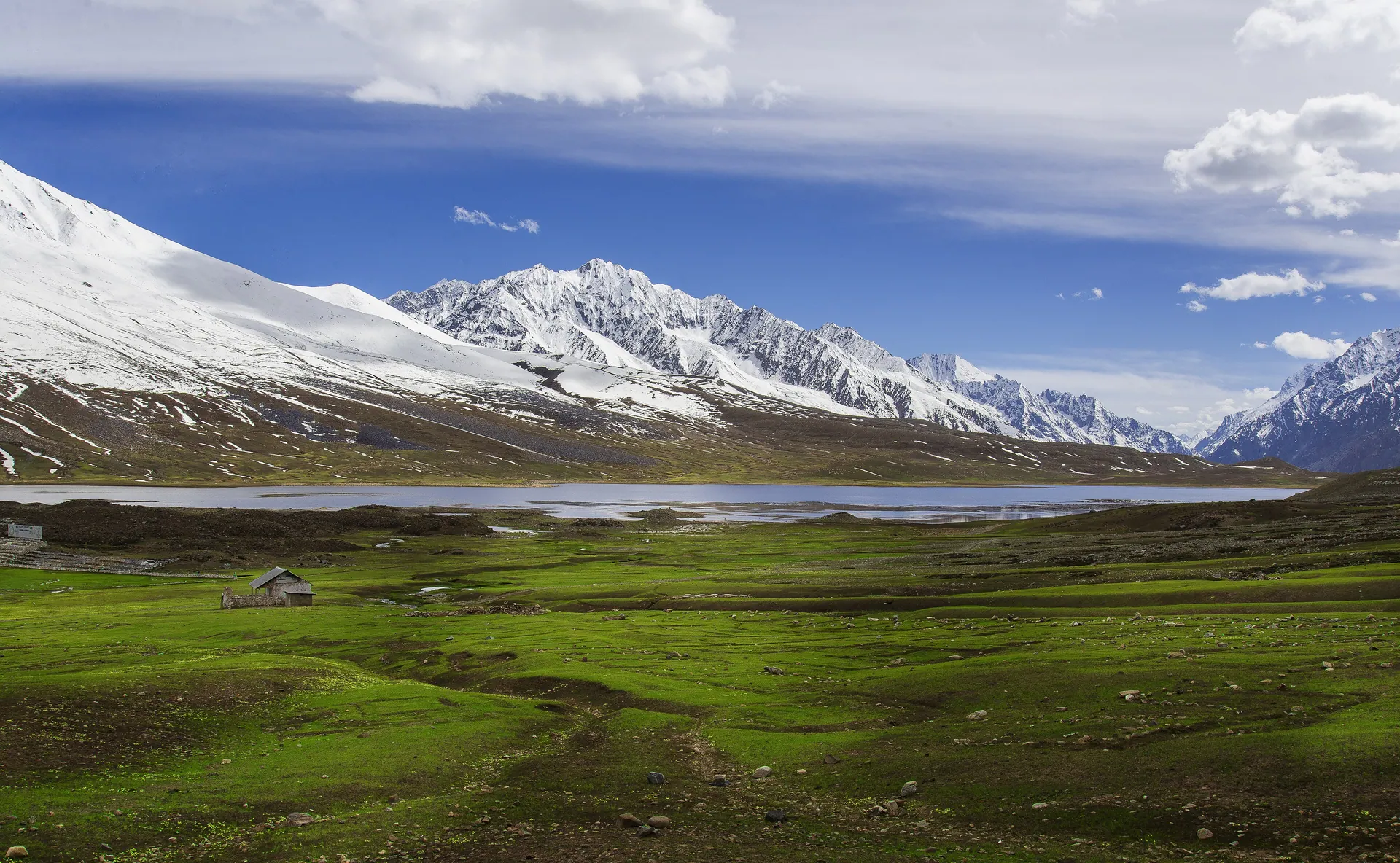
At about 3,700 m, Shandur hosts a fierce polo match between Chitral and Gilgit every July, often called the highest polo ground in the world.
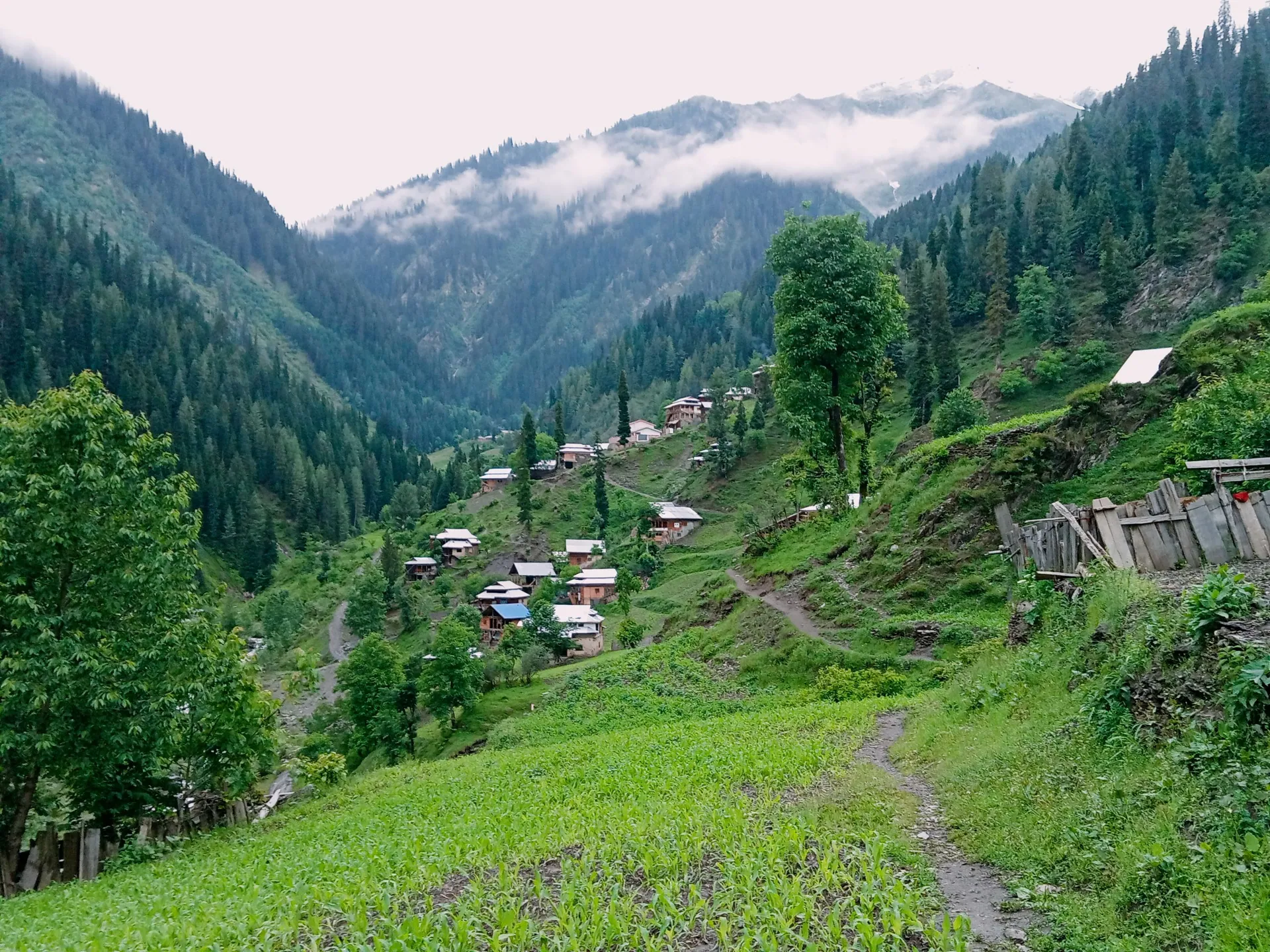
On a hill above the Neelum stand the ruins of Sharda Peeth, a famous seat of learning that gave its name to the old Sharada script.
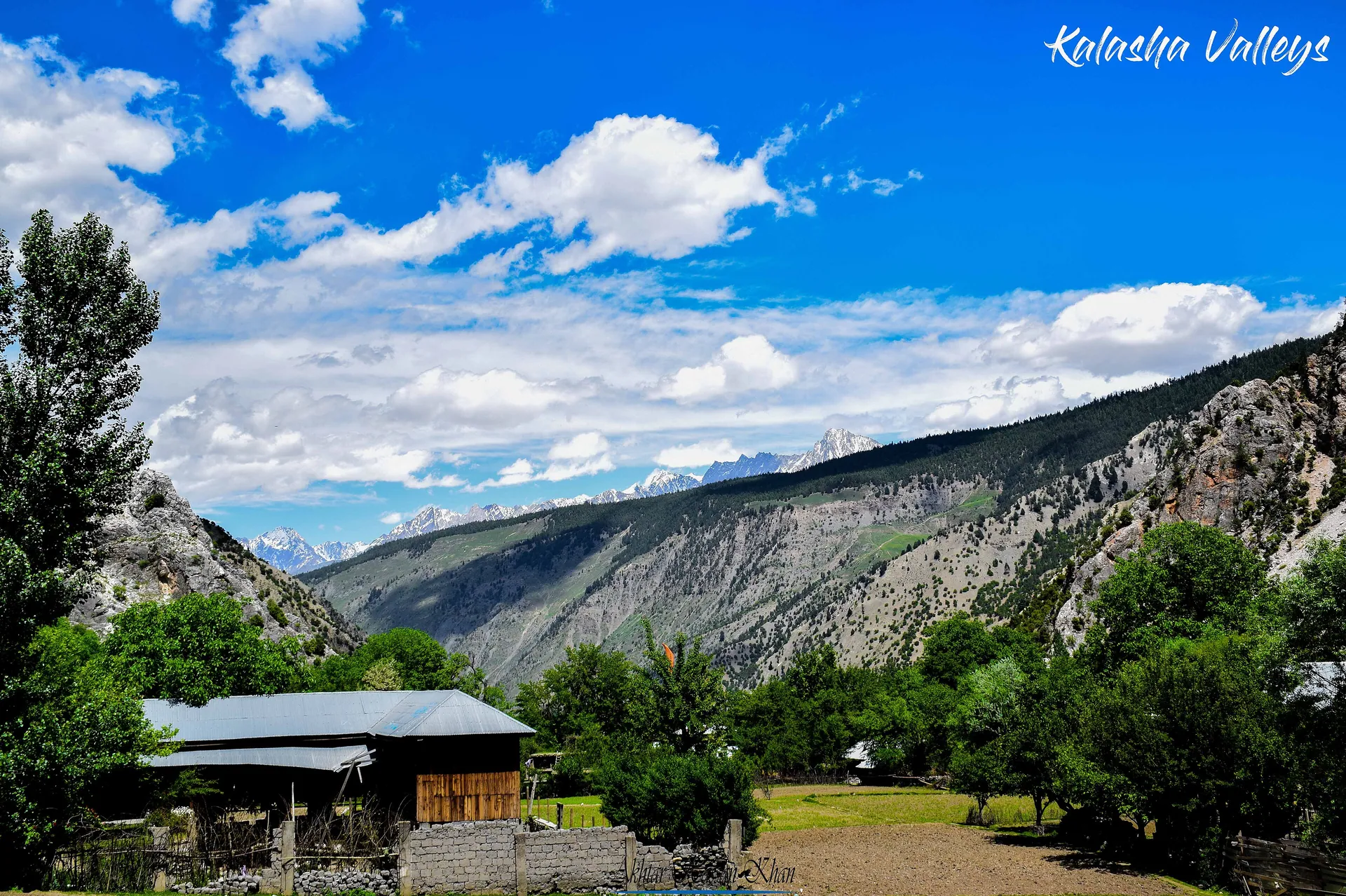
In three valleys near Chitral the Kalash keep their own faith, language and seasonal festivals, one of the smallest and oldest living cultures in the region.
Khunjerab Pass on the China border is one of the highest paved border crossings in the world, with snow leopards and marmots in the national park around it.
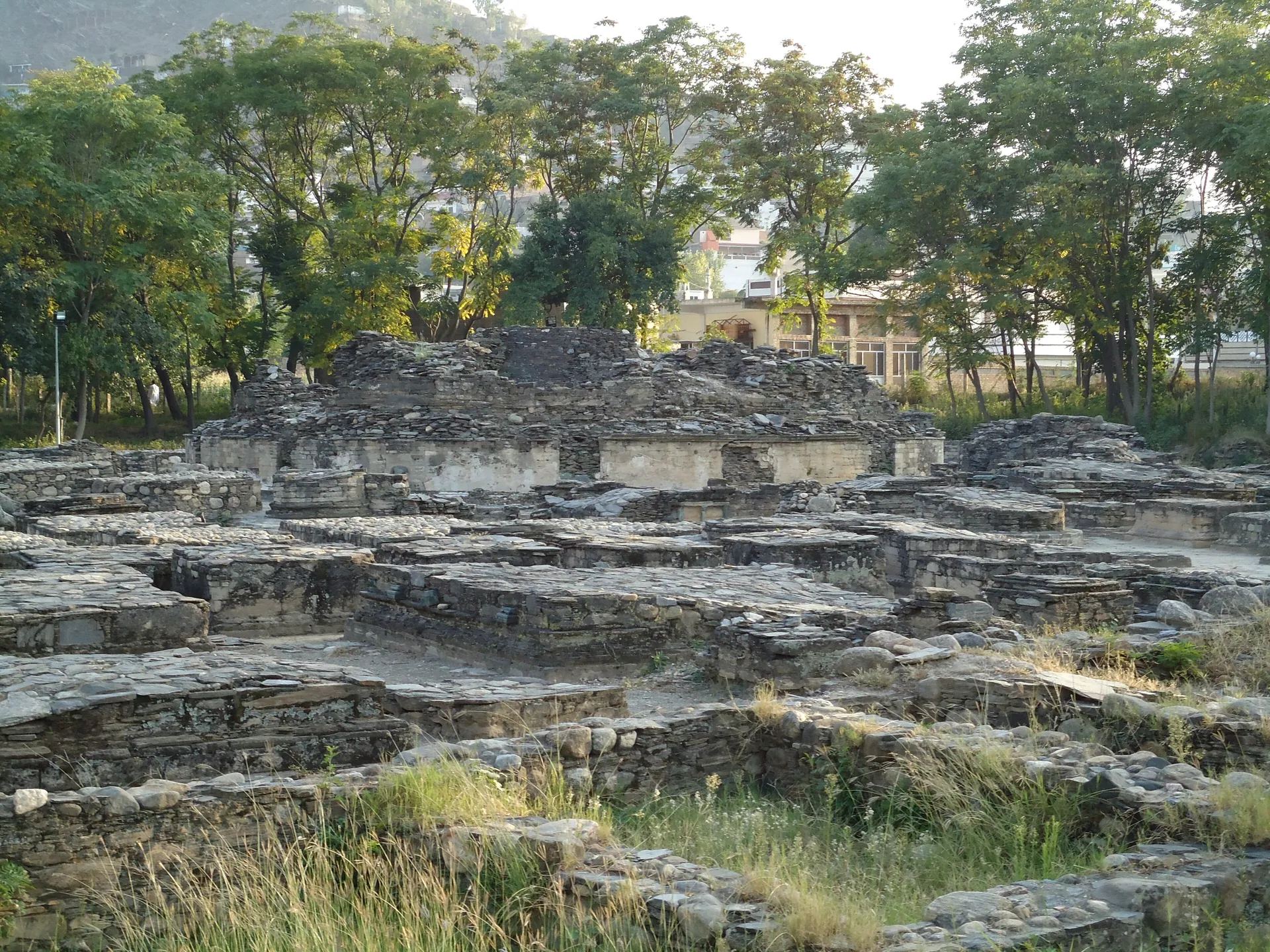
Butkara's great stupa was rebuilt around itself several times over a thousand years, so the oldest one, perhaps from Ashoka's time, lies hidden inside.
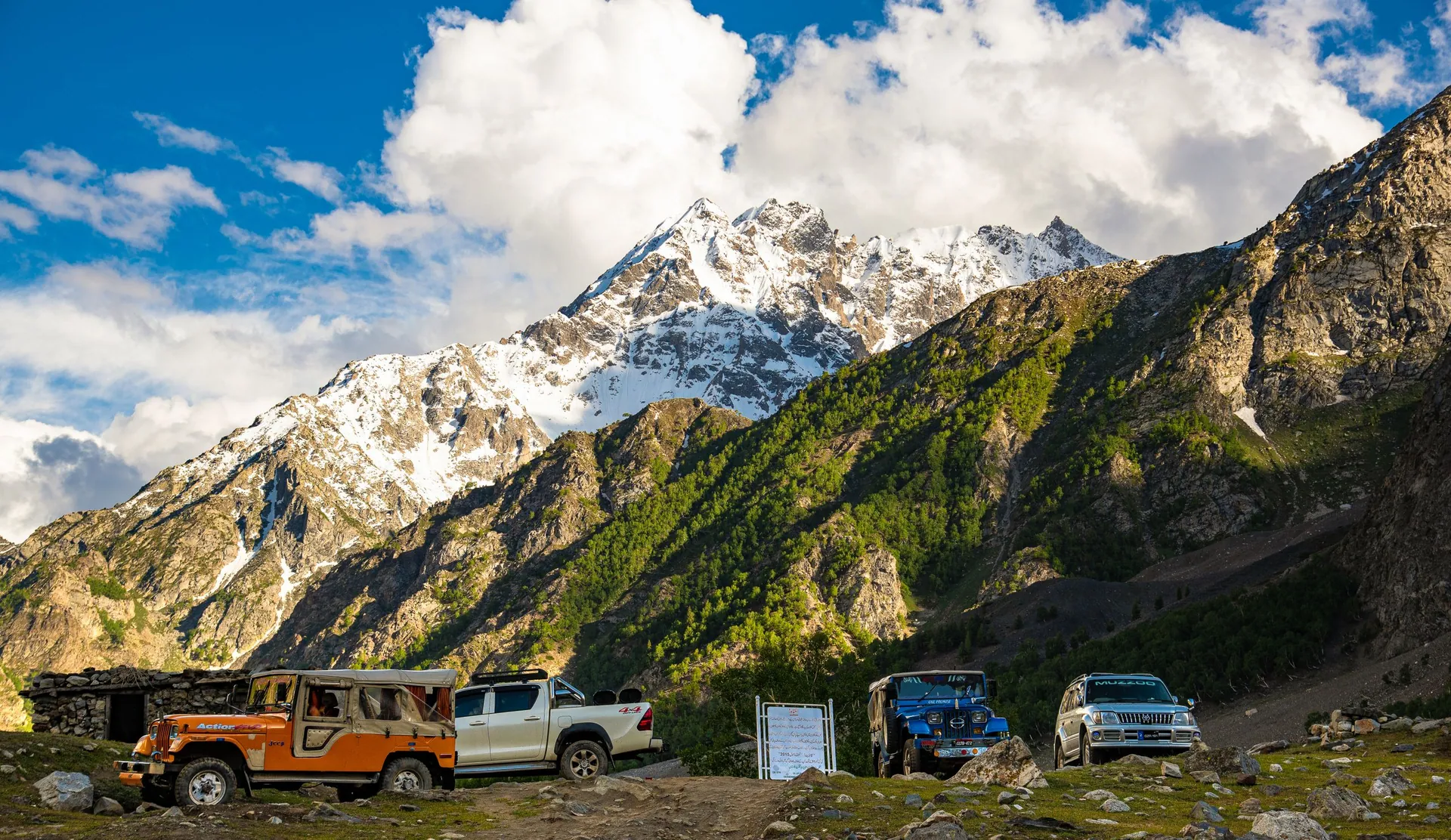
Satrangi Lake in Naltar shows bands of green, blue and turquoise depending on depth and light, among pine forest high above Gilgit.