Swat Valley
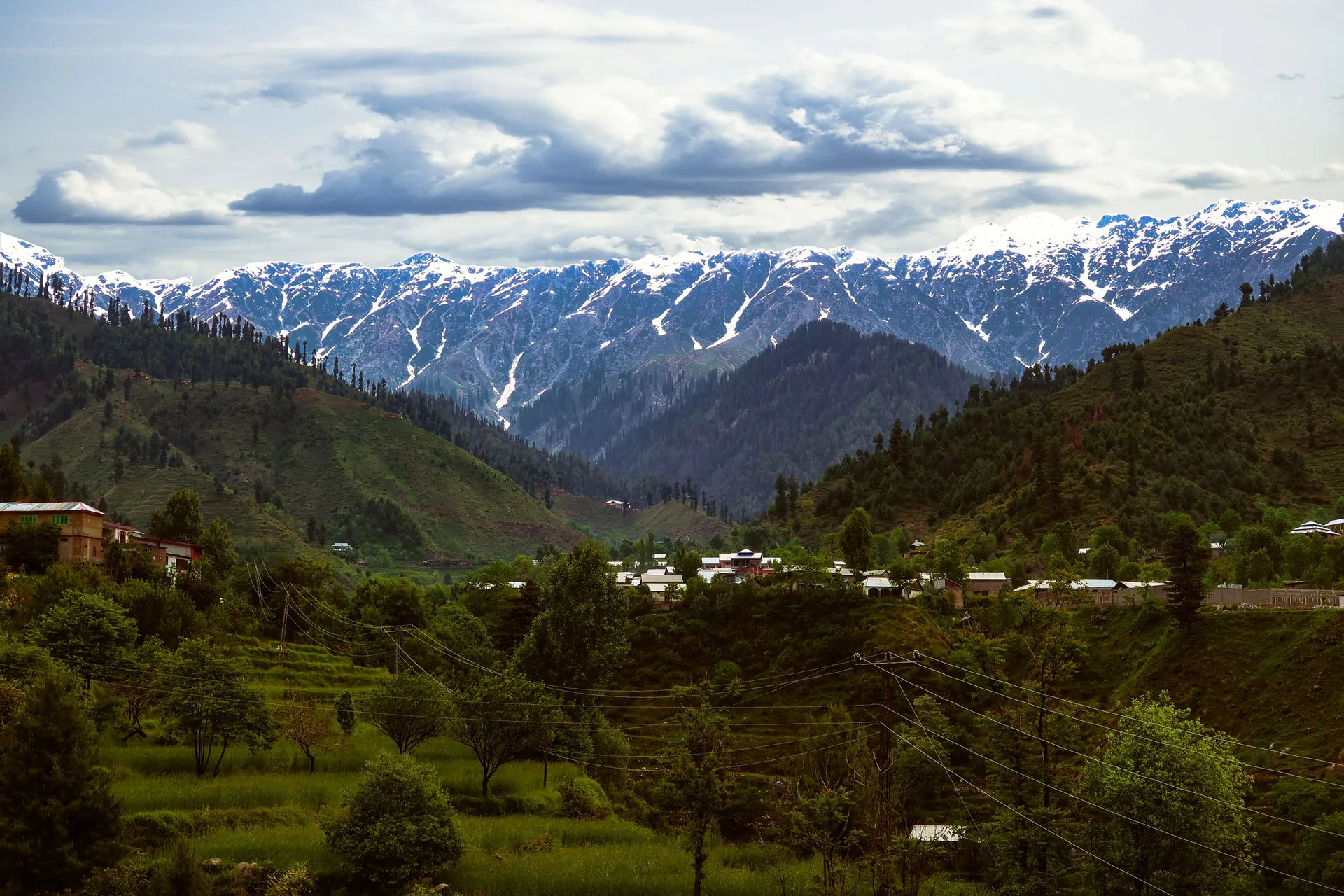
وادیٔ سواتGreen river valley in Khyber Pakhtunkhwa, about 4–5 hours from Islamabad, once called the Switzerland of the East. It runs from the plains at Mingora up to glacier lakes above Kalam.
About the region
Swat is a long valley cut by the Swat River, which begins where the Ushu and Utror streams meet at Kalam and flows south past Bahrain, Madyan and Mingora. The lower valley is warm farmland and orchards; the upper valley, called Swat Kohistan, is pine forest, alpine meadows and lakes fed by snow.
It is the easiest of the northern regions to reach, which makes it the best first trip for families. Mingora has hospitals, banks and every mobile network, and good roads run as far as Kalam.
A short history
Ancient texts call this land Uddiyana, the garden. From roughly the 3rd century BC it was one of the great centres of Gandhara Buddhism, and the valley is still scattered with stupas, monasteries and rock-carved Buddhas. Chinese pilgrims such as Faxian and Xuanzang travelled here and wrote about its hundreds of monasteries.
In 327 BC Alexander the Great fought his way through Swat, besieging the towns the Greeks called Ora and Bazira, today linked with Udegram and Barikot. In the 11th century the armies of Mahmud of Ghazni brought Islam to the valley; the mosque they built at Udegram is among the oldest in northern Pakistan.
From the 16th century the Yusufzai Pashtuns settled the valley. In 1917 the princely State of Swat was founded, and under its rulers, the Walis, it gained schools, hospitals and roads. Swat merged fully into Pakistan in 1969.
The valley went through hard years of militancy and a military operation in 2009, and severe floods in 2010 and 2022. Tourism has since returned, and Swat is again one of the most visited places in the country.
Swat Valley on the map
Places in Swat Valley
Mingora & Saidu Sharif
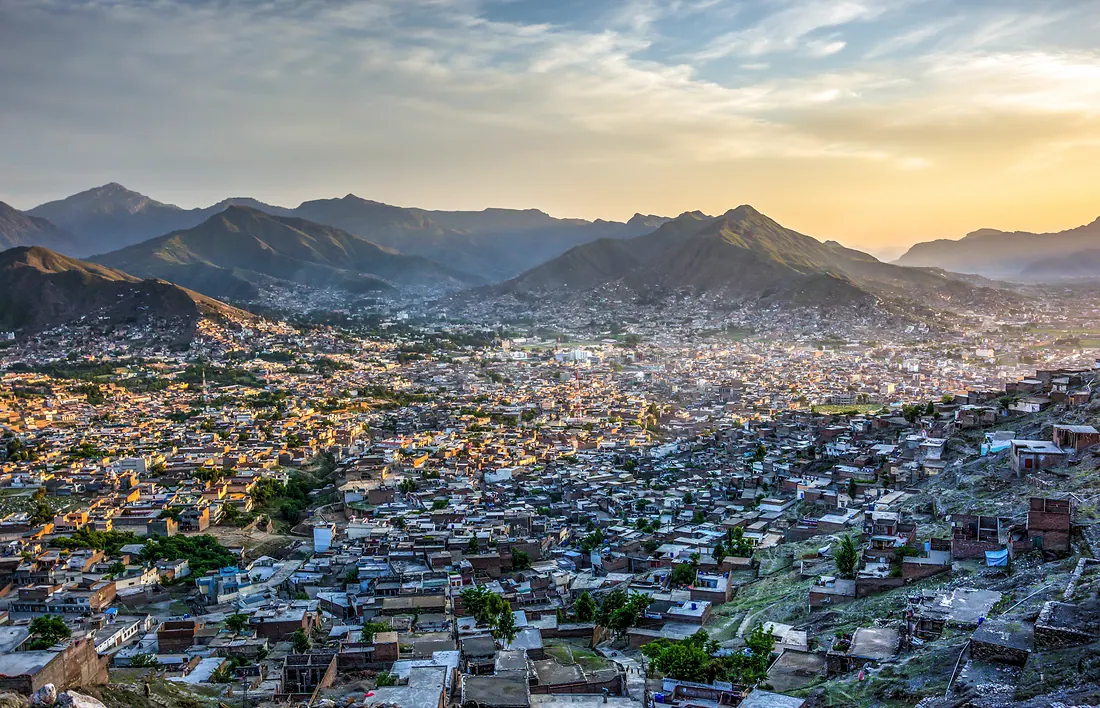
The twin cities at the heart of Swat: Mingora the busy market town, Saidu Sharif the old seat of the Wali of Swat.
Swat Museum
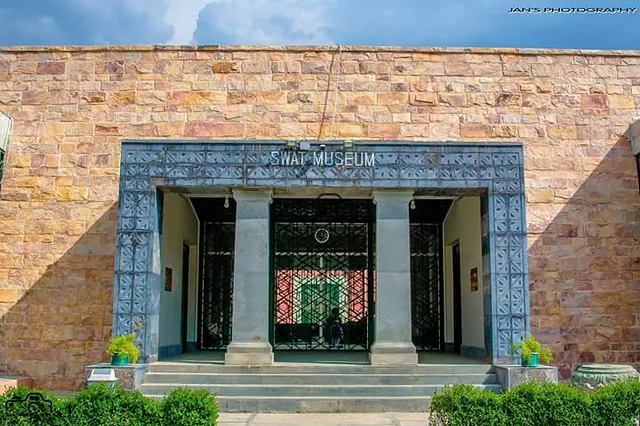
A small, excellent museum on the Mingora–Saidu road holding Gandhara sculpture from the valley's Buddhist sites: Buddhas, scenes from the Buddha's life, jewellery and coins.
Butkara Stupa
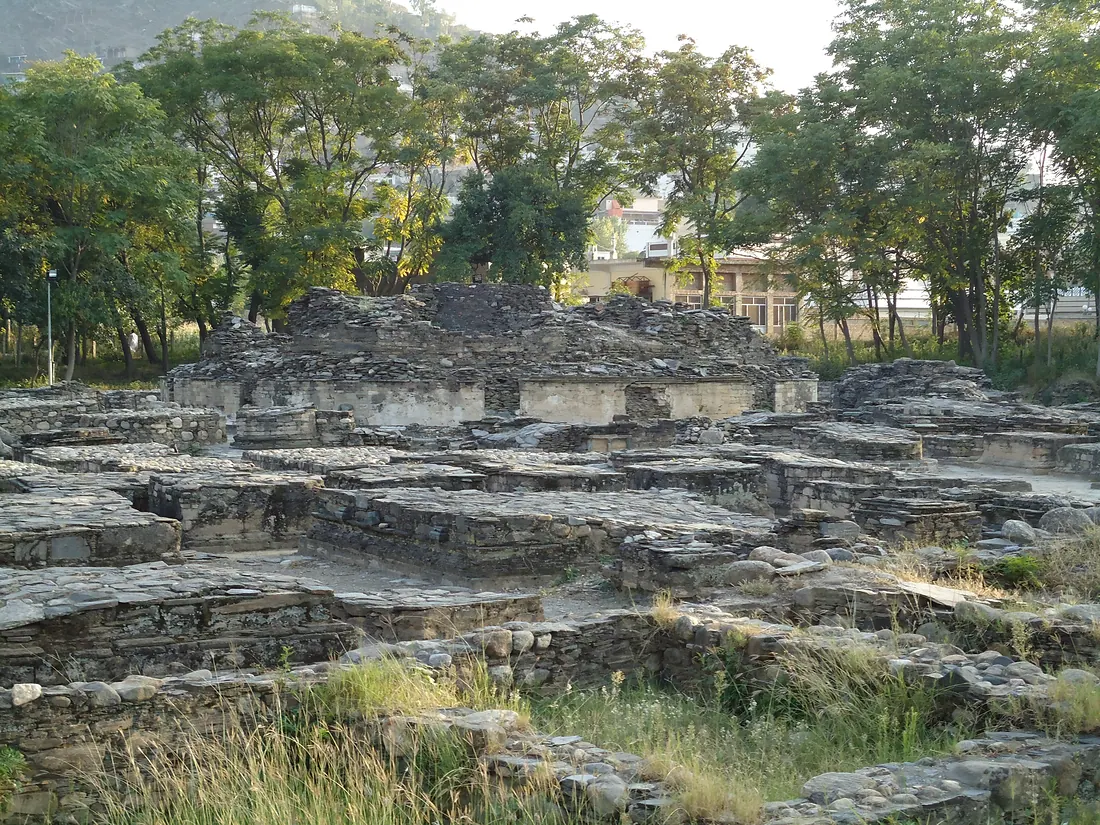
The ruins of one of the most important Buddhist sanctuaries of Gandhara, right inside Mingora: a great central stupa ringed by more than two hundred smaller stupas and shrines.
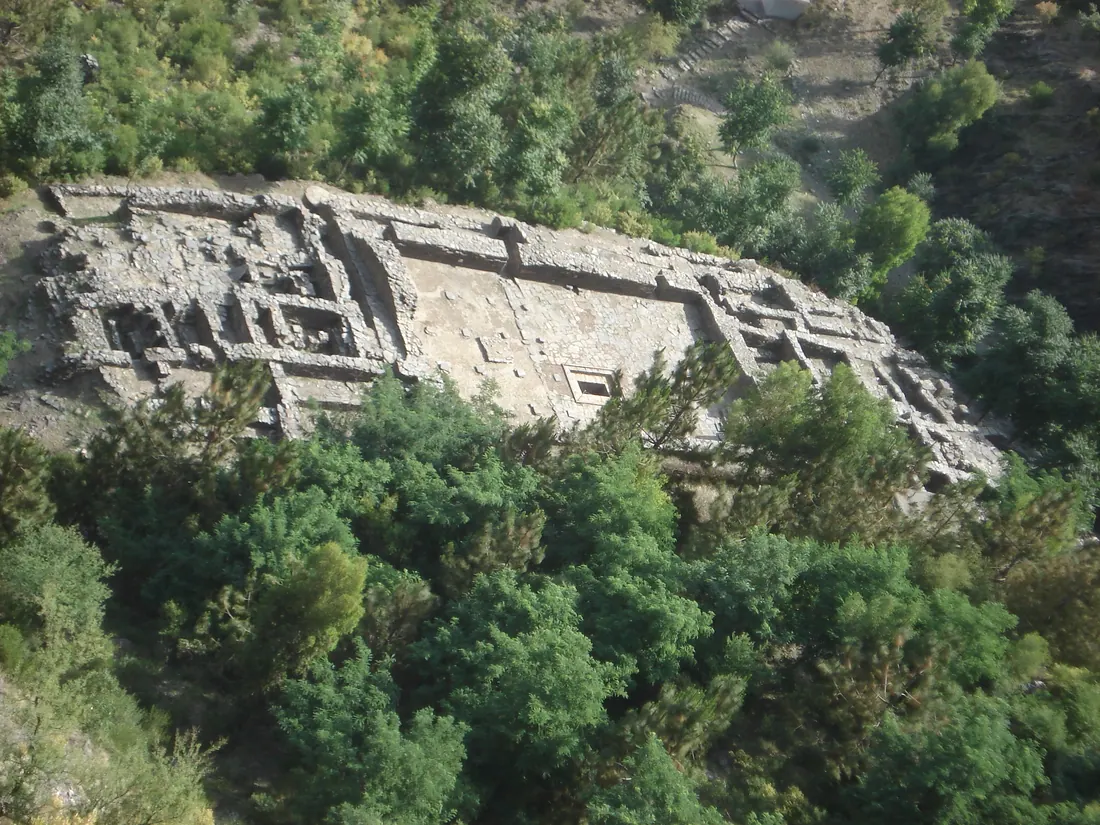
Udegram
A village south of Mingora with two layers of history on one hillside: the ruins of the fortress of Raja Gira and the Ghaznavid mosque below it.
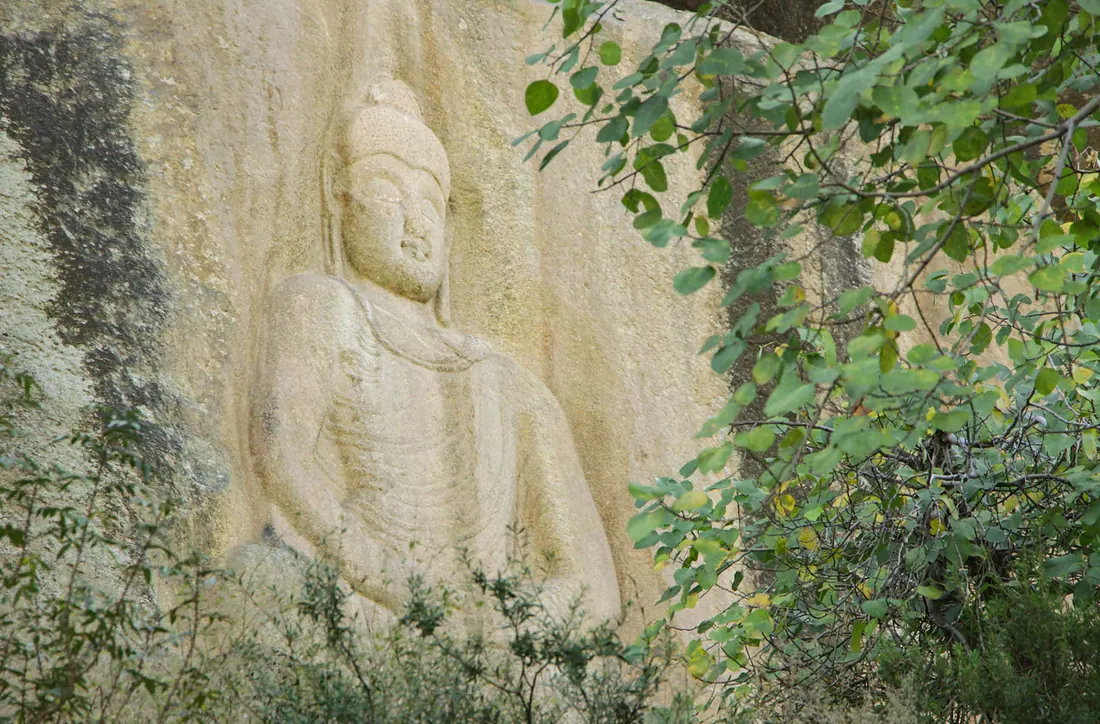
Jahanabad Buddha
A giant seated Buddha carved into a granite cliff above the village of Jahanabad (Shakhorai), one of the largest rock carvings of its kind in South Asia.
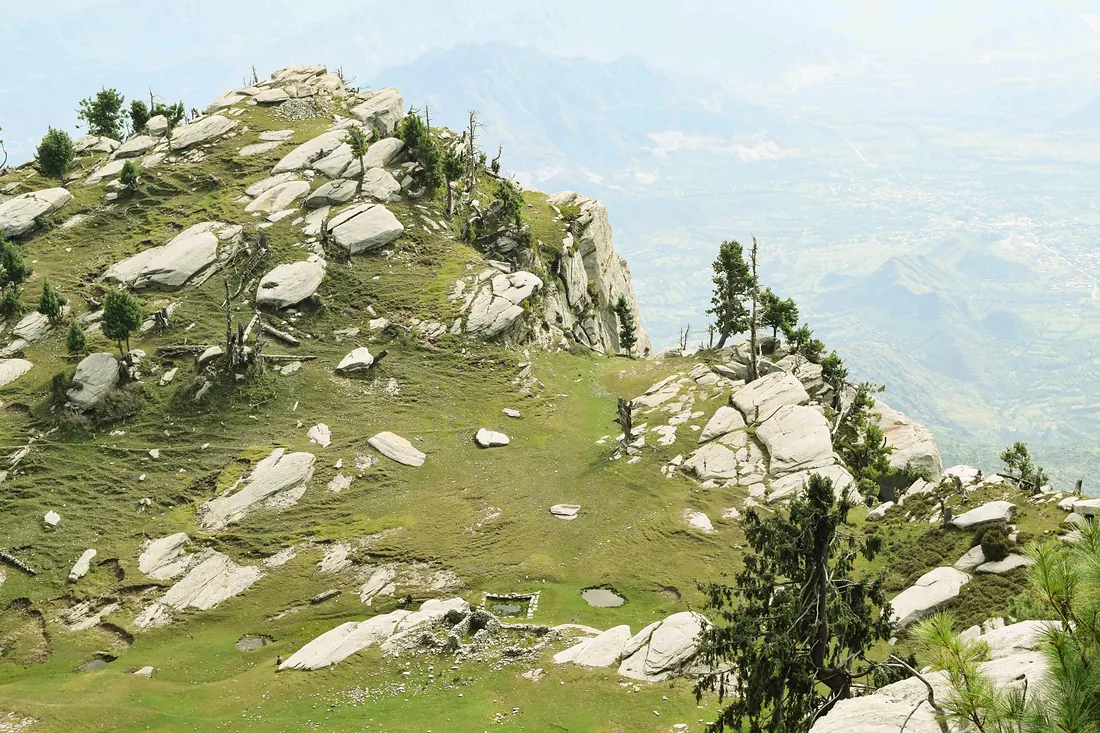
Marghazar & White Palace
A cool side valley 13 km from Saidu Sharif with the white marble summer palace of the first Wali of Swat, now a hotel, at the foot of Elum mountain.
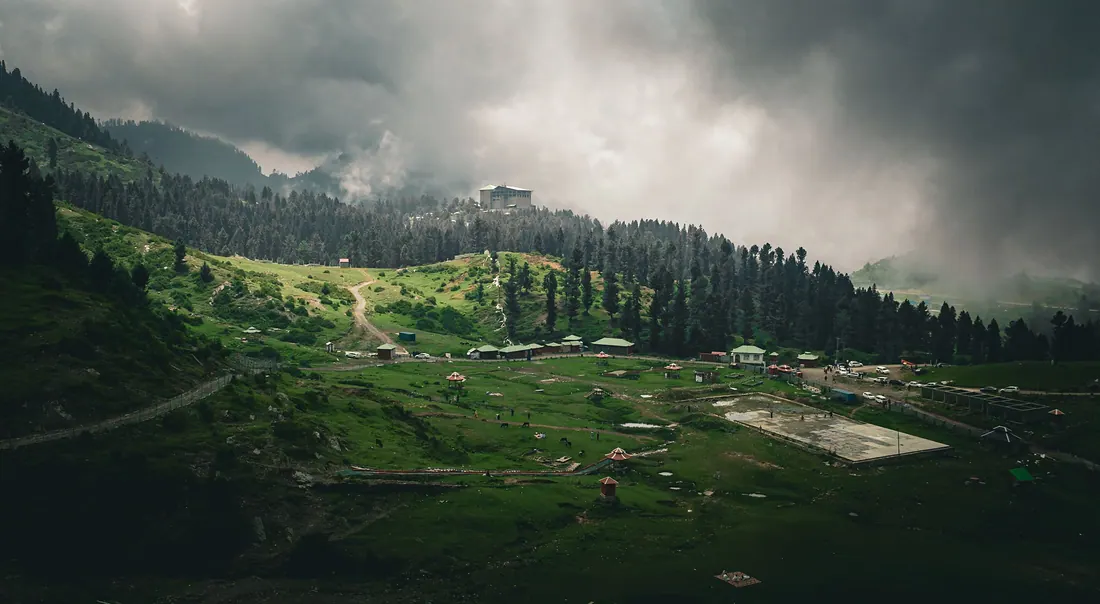
Malam Jabba
Pakistan's best-known ski resort, on a ridge about 45 km from Mingora, with ski slopes, a chairlift, zipline and pine forest views in summer.
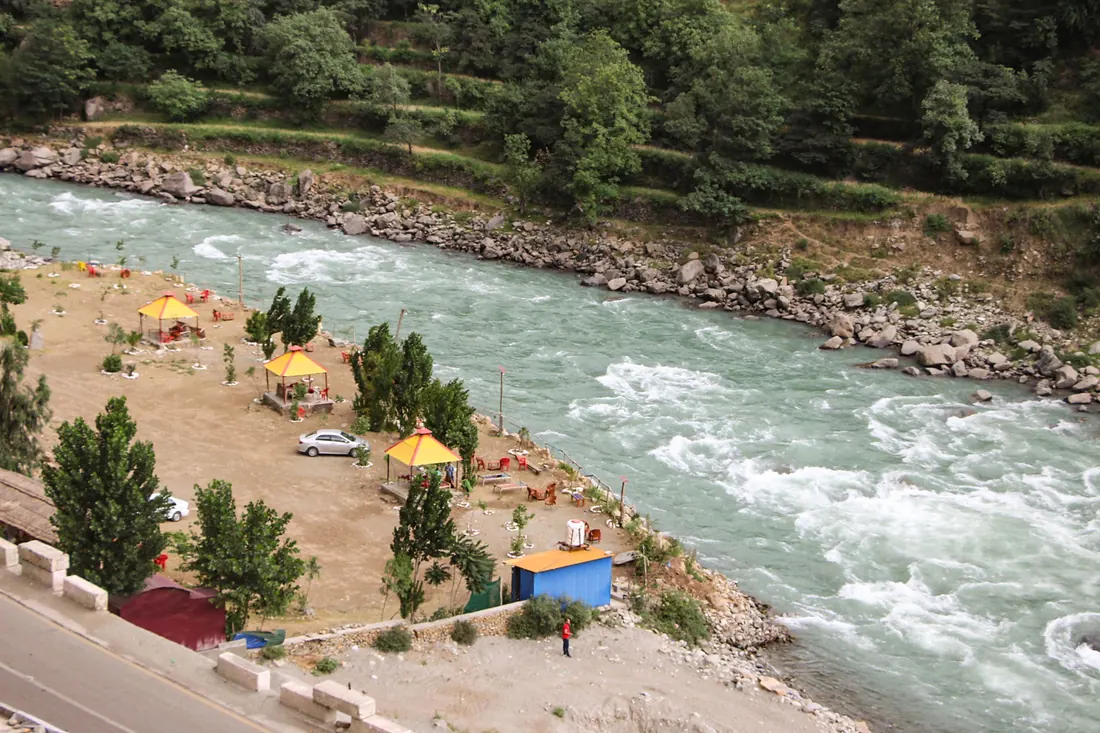
Madyan
A riverside town where Swat starts to turn into the mountains: cool air, trout and a quieter base than Mingora.
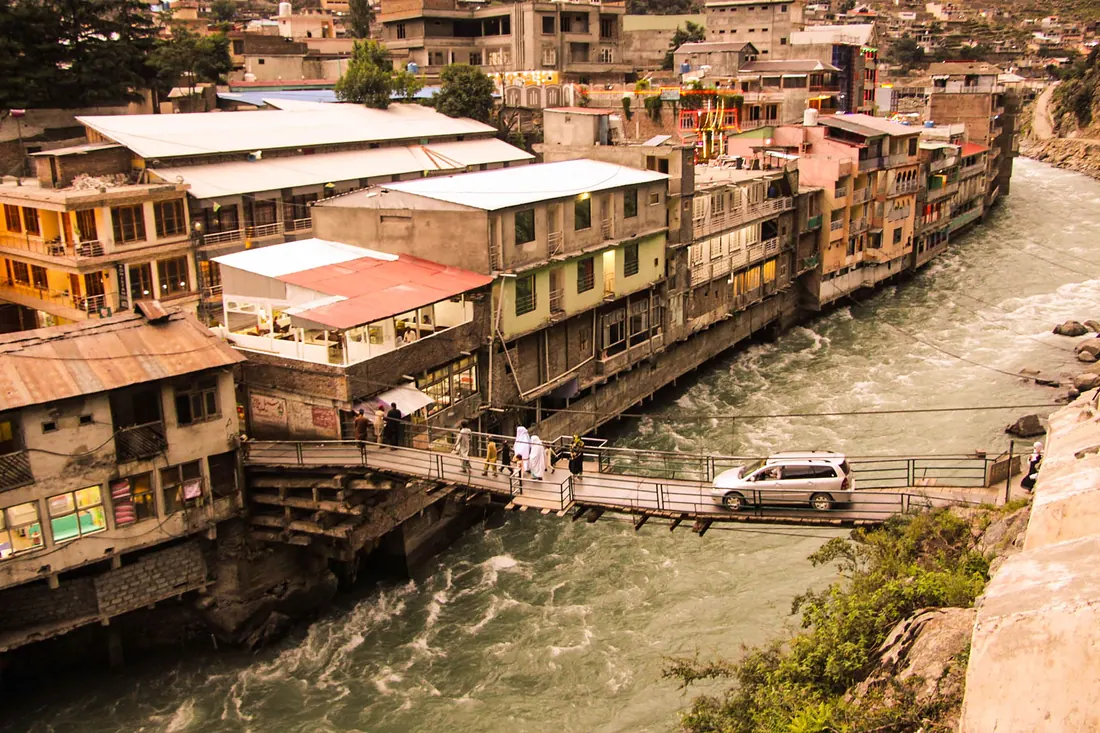
Bahrain
A lively town where the Daral stream meets the Swat River, with hotels on the water and the trail to Daral Lake.
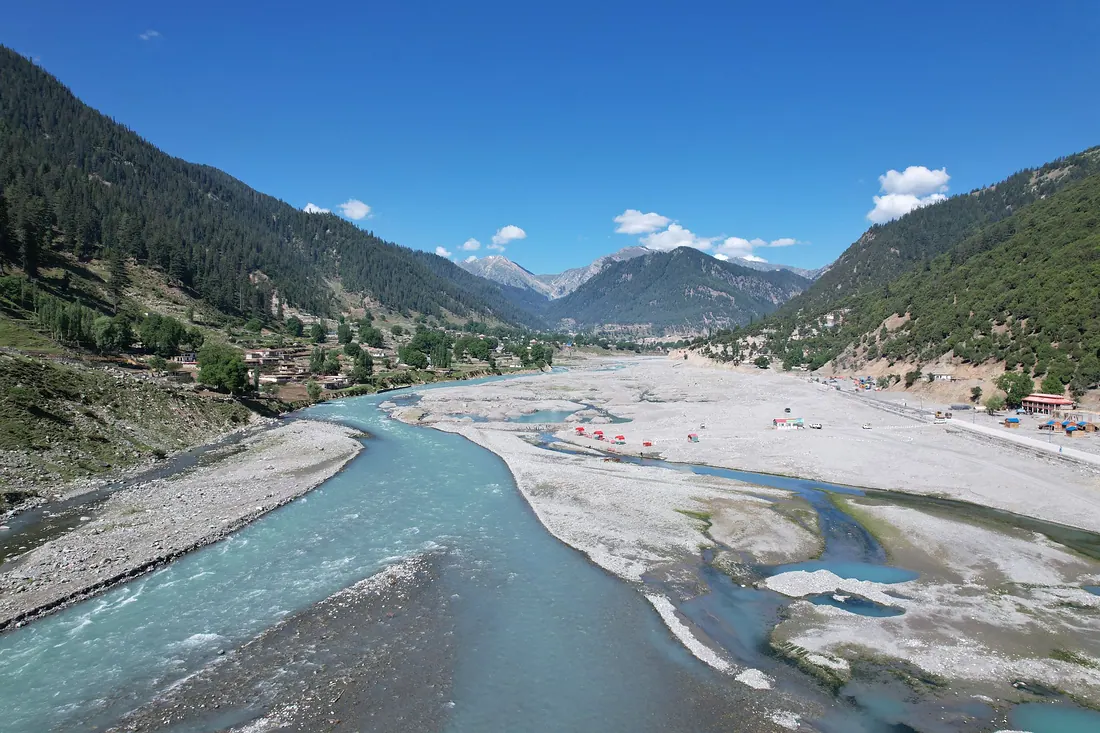
Kalam
The capital of upper Swat, where the Ushu and Utror rivers join to form the Swat River.
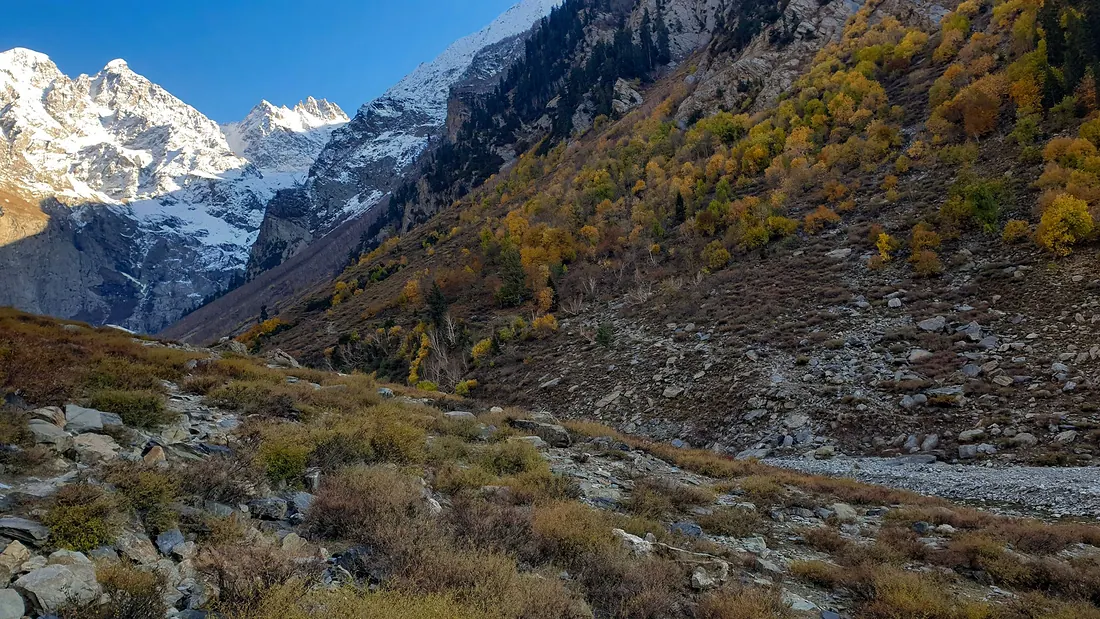
Ushu Forest & Matiltan
Tall deodar forest just above Kalam leading to Matiltan, where the white wall of Falak Sar (≈ 5,900 m) fills the end of the valley.
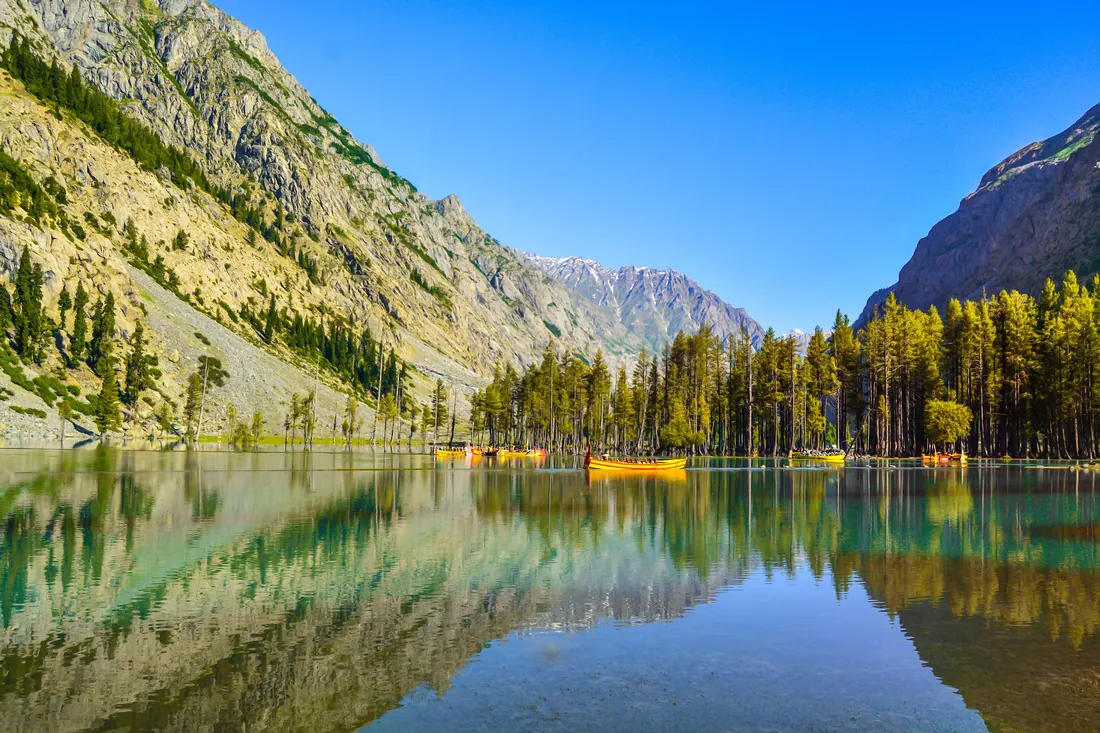
Mahodand Lake
A wide lake about 35–40 km above Kalam surrounded by meadows and snow peaks.
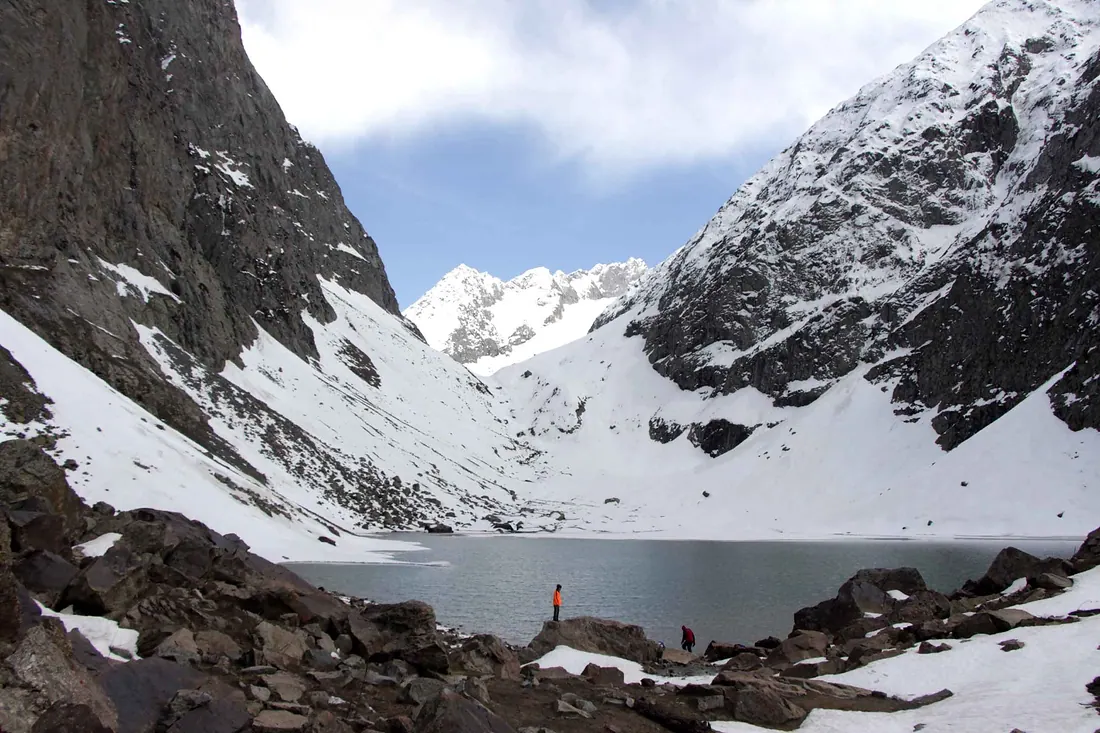
Utror & Gabral
The western branch of upper Swat: quieter than Kalam, with wooden villages, the Utror river and green meadows leading on to Gabral.
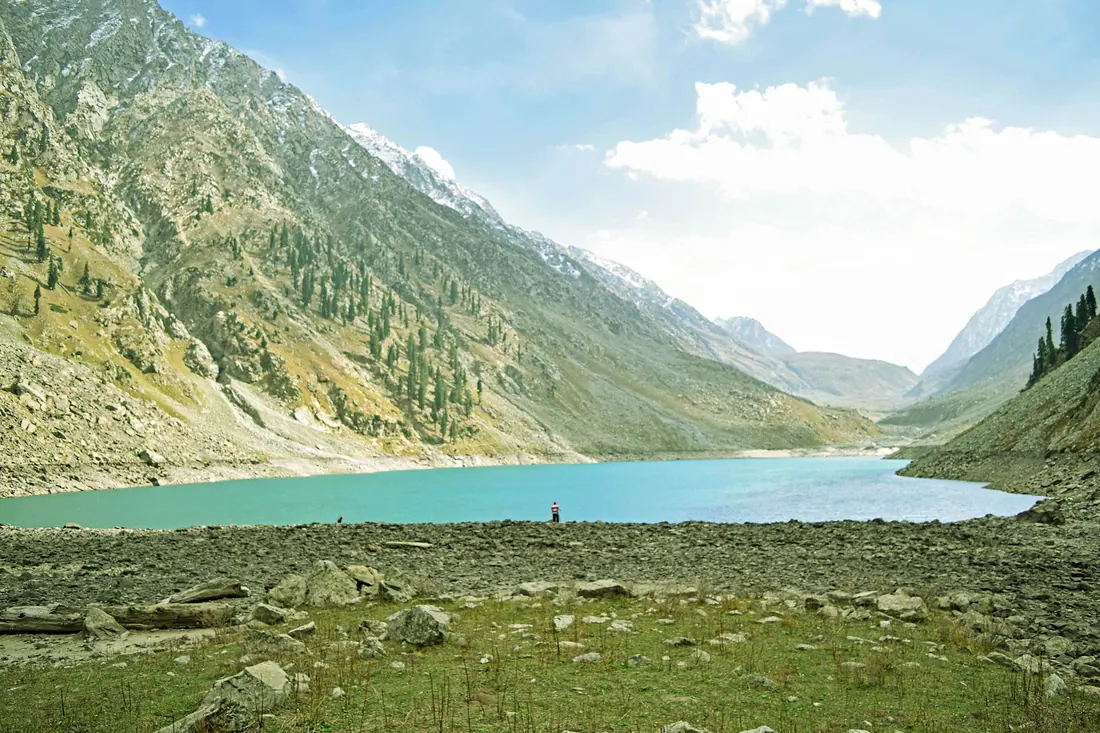
Kandol & Spin Khwar Lakes
Two quiet alpine lakes above Utror.
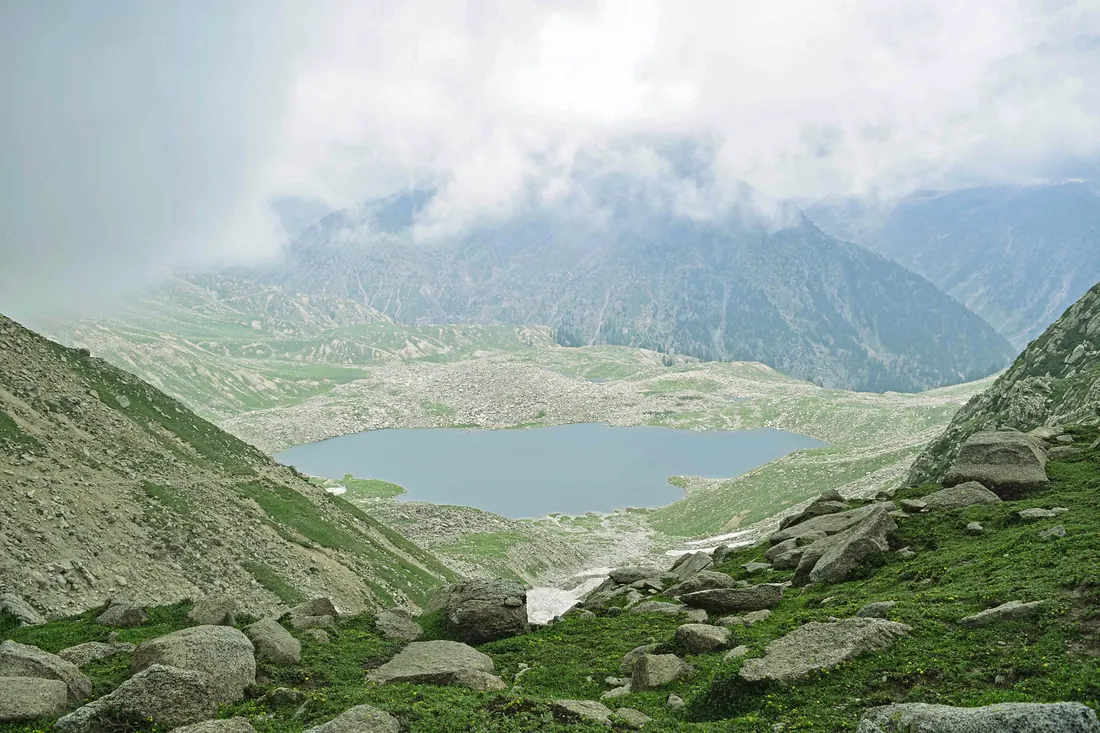
Daral Lake
A remote high lake above Bahrain, reached by a multi-day trek up the Daral stream through forest and herders' huts.
Gabin Jabba
A wide, quiet meadow in the hills above Matta, west of the main valley.